So, You Want to Own & Operate a Farm?

As you’re growing up and trying to figure out what you’re going to do for your professional life people always tell you, “do what you love”, or, “find something you’re passionate about and make that your job”. Naturally, any horse person will think, “AHA! I love horses so I should own and operate my own farm one day”!

Please, if this is you, PAUSE, think, & understand that this means you want to start your own BUSINESS.

Yes, a horse farm is a business and horseback riding is an industry.
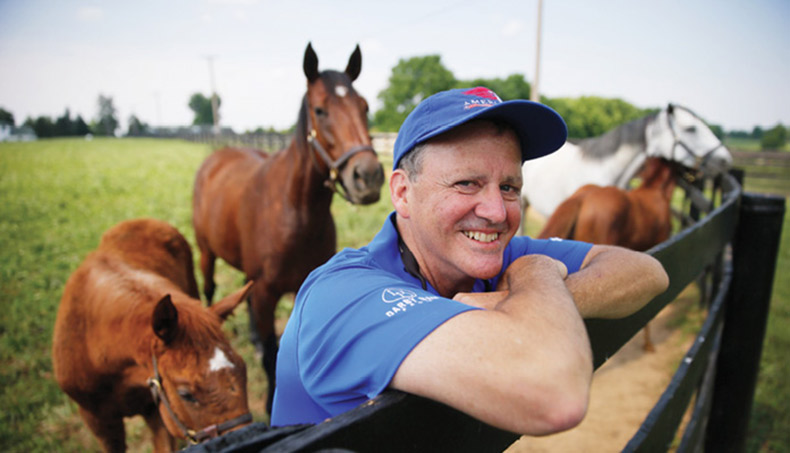
NL-Phillips-John

So many times I see passionate people who love horses start their own farm and then get burnt out, go broke, or get stuck with a farm that’s falling apart and a far cry from what they originally wanted and dreamed about. That said, here are a few things to consider in order to make your farm a revenue positive business!

Quality lesson horses for a variety of levels 
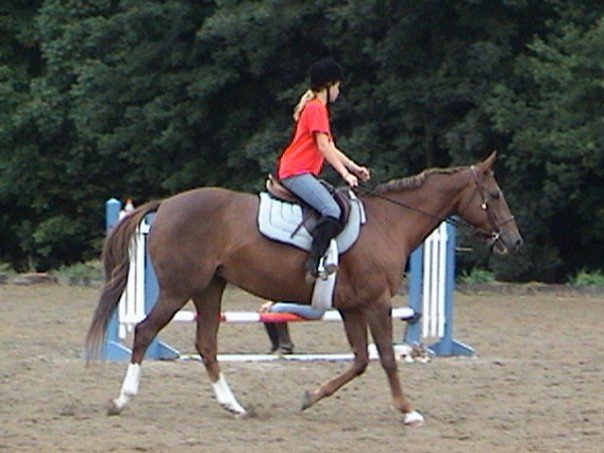
Trinket

Lessons are the foundation to how you are going to make money and the lesson horses you have will either make it or break it. You want to attract junior riders who will inevitably bring their parents along to all their lessons. Yes, you need to fall off and get back on if you’re really going to learn how to ride but, wait until the rider is confident in the saddle before putting them on a dirty stopper or easy spooker. Set the parents at ease by having safe and reliable lesson horses for their kids to learn on. Now, here’s the important part. Lessons are only the entry point for your main revenue builder; shows. Have lesson horses that you can take to local horse shows in order to get the kids, and the parents, excited about competition. You want to make sure your kids are placing in the top four ribbons for their first few horse shows in order to get them hooked on showing. There are a few that will love it no matter how they place…but the truth is, it’s a lot easier to love showing if you actually do well every now and then. Eventually, they’ll want to show more and outgrow your lesson horse which is when you start looking to find them a show horse.

Sell or lease out your personal horses (if you have more than one)

Your lesson horses are now “your horses”. If you have one for yourself then fine but just because your horses are on your property doesn’t mean they’re free. Having a herd of your own horses that aren’t or can’t be used for lessons will drain your business.

Have a trainer!
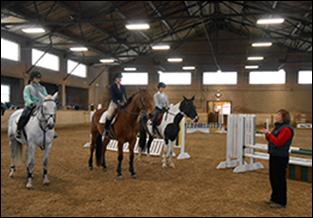
Lesson

In order to show you need a trainer. More importantly, in order for kids to learn how to ride and be comfortable they need a consistent teacher who they’re used to riding with. This might mean that you have two trainers, which many farms do…one for beginners and one for the upper level or actively showing students. Another fun option is to have an IEA (Interscholastic Equestrian Association) team. This is great for kids who can’t afford their own horse but still want to show. Plus, it gets your farm name out there and can really build a strong foundation for your riders (look for my upcoming post with more detail on IEA!).

Purchase a trailer or two 
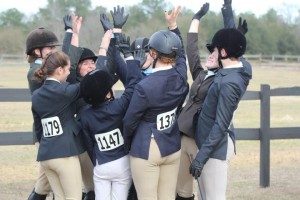
ShowGirls

Showing is a must unless you plan to be a breeding or rescue farm. Sometimes you’ll have one or two horses going to shows, other times you’ll have four horses going to shows. Competition is a great way to build relationships between your students and create a “barn family” or a greater community feel to your farm which is AWESOME for your barn! Having both a two-horse and a four-horse trailer gives you flexibility and allows your trainer to show in order to keep their name out there and possible get your horses name’s out there.

Safe Fencing 

It’s safe to say that you’re going to end up with some show horses on your property and, as a member of the hunter/jumper/equitation show world let’s face it…show horses are prissy! Safe fencing is going to be one of the first things that new boarders look at when deciding whether or not to bring their horses to your farm. If you have to, get a bank loan or small investment through crowdfunding or other sources but it’s better to be safe about fencing then skimp on it at first and have to deal with it later.

Good Footing

Discipline doesn’t matter when it comes to footing. Make sure that your footing is going to be good for the horses and, for your outdoor ring, make sure that it’s put in properly so that rain, snow, and other kinds of weather don’t upset or unsettle the footing so much that it damages the ring. Indoor rings are a HUGE plus especially if weather makes it difficult to ride in the winter but, if that’s not in the budget, leave space for the possibility but maybe have a covered round pen or something so that boarders can still ride regardless of rain or snow.

Be online! 

People Google..and they will google you. So much is online now that if you’re not, it affects how people view your credibility. Even a basic website and some social media pages can go a long way! This is where a lot of farms drop the ball and having an online presence really does help you build your business, credibility, name recognition, and even show recognition. Have a blog so people can get a better feel for your trainer’s style, your farm’s identity, and who you are as a farm owner. If it’s ok with your riders (or their parents if they are minors) then post photos, videos, and articles about them and their achievements. There’s so much you can do that can help ensure your future success!


If you have any questions or are interested in talking further about building your barn’s brand, let me know!

Comment or email me at: elizabethfgreenberg@gmail.com

There’s A Monster Under That Jump!

We’ve all been here, right?

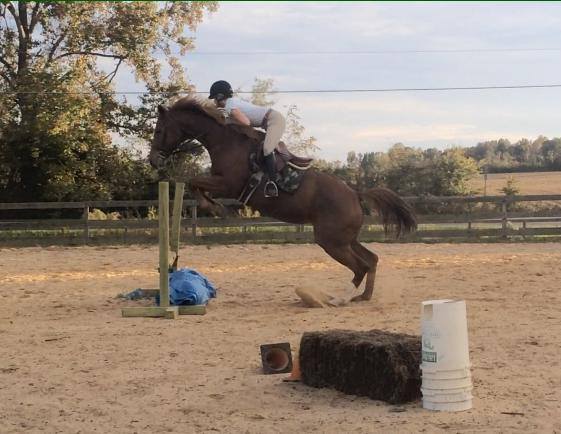
Abbi versus Tarp
Abbi VS. Tarp

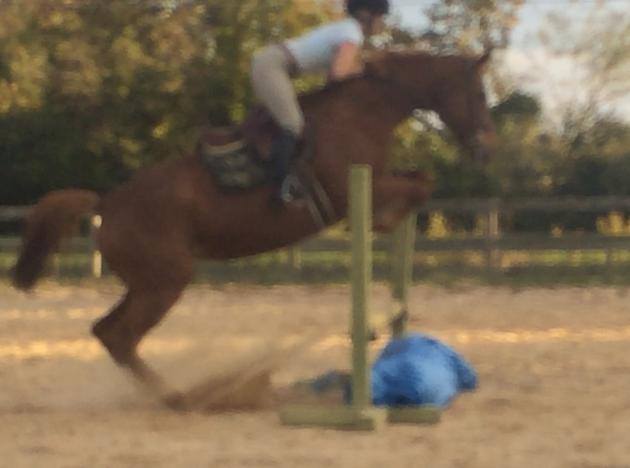
If you notice where the top rail is as opposed to where her knees are, you’ll understand a common equine fear of: The Monster Hiding Beneath the Jump.

This horse is older but has only been jumping for about 4 months so it’s nothing out of the ordinary but so many times I’ve notices that people mark these horses as “naughty” or “dirty stoppers” without ever even giving them a fighting chance. Sure, Abbi and I don’t always see eye to eye and she does run out and stop at fences but not because she’s a bad horse. . .it’s because she doesn’t have the confidence in herself and she needs to gain that confidence from me.

So naturally you’d think. . .strong rider will fix the problem. Wrong. This horse needs a strong and confident rider when jumping but she also needs to trust her rider and that trust is earned.

Since we didn’t die our first jump over the horrible awful tarp…we began to build trust & with a strong, direct ride to the tarp jump again, we painted a prettier picture:

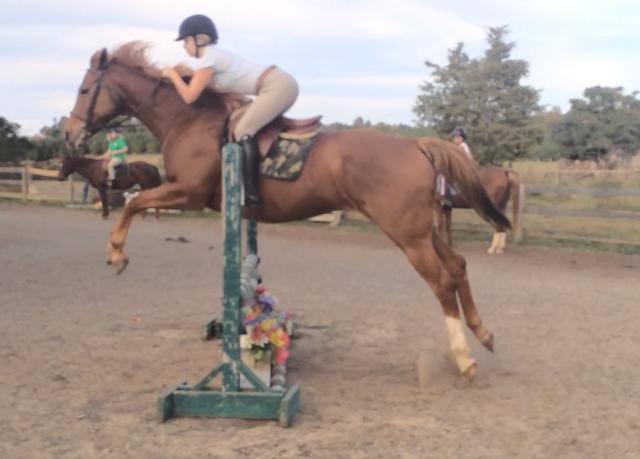
Abbi VS Tarp: Round 2

Now, we are still afraid of the tarp. . .but she’s also listening to me more and jumping across as well as up & over the fence.

Unfortunately, our camera-woman only took these two photos but as Abbi continued to jump, her trust in me grew and with my confidence in our abilities as a team, we were able to create some really lovely fences.

Abbi Jump

So keep in mind it’s both confidence and trust on both the rider and the horse’s part in order to make a winning team. Especially for young horses or older horses learning new tricks. . .consistency in this is key. She is jumping bravely and beautifully here but if her rider (me or someone else) were to misguide her, lose our confidence, lose our commitment to the jump, and/or work as separate parts instead of a team then Abbi’s trust will be lost and we will have to start at the beginning again.

Riding a new or young horse is like a new relationship. If you’re young then it’s building trust and learning how to work as a team. If you’re re-training a horse who’s been through it already then you not only have to build trust but you have to convince that horse to trust you even after they’ve been let down by someone else.

So the key takeaways for working with horses like Abbi:

  1. Confidence & Commitment
  2. Trust (it goes both ways)
  3. Consistency

Hope this is useful for you! If you have any questions or comments please don’t hesitate to ask!

Go back

Your message has been sent

Warning
Warning
Warning
Warning

Warning.


Puppy Pointers

Recently my dog Simon and I had a bit of a clash with our neighbors. Apparently, these neighbors were deathly afraid of dogs but instead of notifying the people around them who owned dogs, they notified the apartment complex office. Since there were no resident names attached to the complaint, the office just let the information sit instead of sharing it with the other residents.

Simon


Unfortunately, Simon, my 14-year old yellow lab, is a very friendly dog and says hello to everyone, and on this particular day…he said hello to the wrong neighbors. The woman began screaming and her husband began shoving Simon away and chasing him (who knows to what destination) until I finally got them to stop yelling and had calmed Simon down enough so that he wouldn’t run away anymore and instead just sat still.

I was shocked. I’d been living in the complex for 4 months now, had seen these people on a regular basis, and had no idea that they were so terrified of dogs. Initially I was angry because Simon was a rescue and we believe he had been hit by his former owner because he flinches when you raise your arm too high or too quickly. However, I realized that every party involved was at fault here. This is why I decided to write this post for animal owners, animal fear-ers, and apartment management teams.

For Animal Owners

animal owner

  1. When you move to a new place, be sure to ask your neighbors if they like dogs or not. You don’t have to seek them out but as you see them walking outside, make yourself approachable and just say, “Excuse me, I’m new here and just wanted to know if you’re o.k. with dogs or not”. This way, you know who to avoid on your walks and who you can let your pup say hello to.
  2. Always ask when it comes to allowing your dog to play with others pups and don’t be offended if the person says “no”.
  3. Make sure you know the protocol that your apartment management office follows for complaints and/or informative messages and ask to be kept informed of any complaints against dogs. Even if it’s not your dog, it’s a good idea to know the general sentiment of all members in the apartment community. This will keep you up to date with everything so you don’t run into the issue that I did.

For Animal Fear-ers

do-dogs-know-when-someone-is-afraid-of-them0

  1. There are many reasons to be afraid of animals, particularly dogs, but it’s really unhealthy to live in fear of creatures that will inevitably be in your life every day. Especially in apartment-living, I highly suggest working towards overcoming your fears.
  2. Let people know that you’re afraid of dogs. Don’t yell or be defensive about it but informing people that you’re uncomfortable around dogs lets them know to be extra careful with keeping their dogs away from you. This is as much beneficial for them and their dogs as it is for you so don’t worry about coming across as rude or otherwise.
  3. If you have a complaint for your apartment complex office and you call it in, be sure that they follow through with a apartment-wide email or notification about the basis of your complaint (dogs off-leash, dogs on leashes that are too long, dogs barking, dogs tied up without supervision, etc.). Theoretically they should do this without being asked but in reality, you do need to make sure that they follow through in order to be fair to your neighbors.

For Apartment Complex Management

leasing-office-welcome-sign-k-4974_grnrev

  1. Have clear rules/guidelines for pet owners and be sure there are reminders
  2. If any complaints are made about animals, be sure to notify the entire complex so animal owners can be aware that there are people living around them who have a problem with whatever the basis of the complaint was.
  3. Have a protocol for people who do not have animals. If people are fearful of animals or not used to being around animals yet your apartment complex allows pets, be sure to give them some kind of information on how to deal with living in an area that has pets. Some topics may include:
    1. How to deal with a loose dog/dog that is off-leash
    2. How to determine whether a dog is attacking you or simply coming to say hello
    3. How to handle a neighbor with a dog that barks a lot
    4. What is some basic doggy body language

Linda’s Position Remedies

Every equestrian knows that position is everything and as a young rider, I learned this lesson quickly through a number of training techniques that I will never forget.

#1: How to keep your legs steady and core strong

Try removing the stirrups from your saddle. If this is a new thing for you, do “No stirrup Tuesdays” and every Tuesday remove your stirrups completely (simply dropping them while on leads to cheating so remember to remove them). If you really want to master this, join me in “No stirrups November” where you remove your stirrups from your saddle for the entirety of November. You could always do this any other month but I thought it went along nicely with “No shave November”.

#2: How to keep your shoulders back

a) Using either a crop or a think wooden stick (like a broomstick but shorter) place it behind your back, holding it in place with your elbows so that the crop/stick rests in the crease of your elbows. I had complete lessons like this including W/T/C and small fences but it you choose to do that make sure there is some sort of supervision and if you feel yourself falling backwards or if anything goes wrong, drop one hand immediately to let go of the stick. That said, this is an excellent way to improve your posture and position.

b) If you’re lucky enough to find one of these, get on a horse that stops at every fence if you lean at it. Just a warning, you will fall off (I did about 3 times in one lesson at a trot fence) BUT once you learn not to lean, you’ll clean up at every show.

c) Take a ballet class. If that’s not available, try a barre class. The posture and positions in ballet force you to engage your core and strengthen your back which will aid in maintaining your position while riding.

#3: How to keep your leg in the proper position

Using bailing twin, tie the inside metal piece of your stirrup to the girth. It will be uncomfortable but you will learn where your leg should be. I had to do this for about a month before I learned and every now and then I remind myself by reattaching the twin and riding with it again.

Hope this was helpful!

Oh The Places You’ll Go

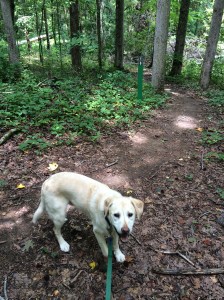
This past week was a week of exploration for Simon and me. Our first stop was the Eno River State Park in Durham, NC where my yellow lab got to do one of his favorite things and go for a swim. The park is beautiful though some of the trails are only appropriate for larger dogs with significant endurance. However, it’s great for a short walk to the Eno River where your pups can go for a nice swim.

IMG_2877
Walking Through The Woods

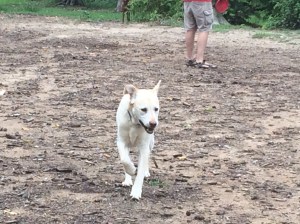
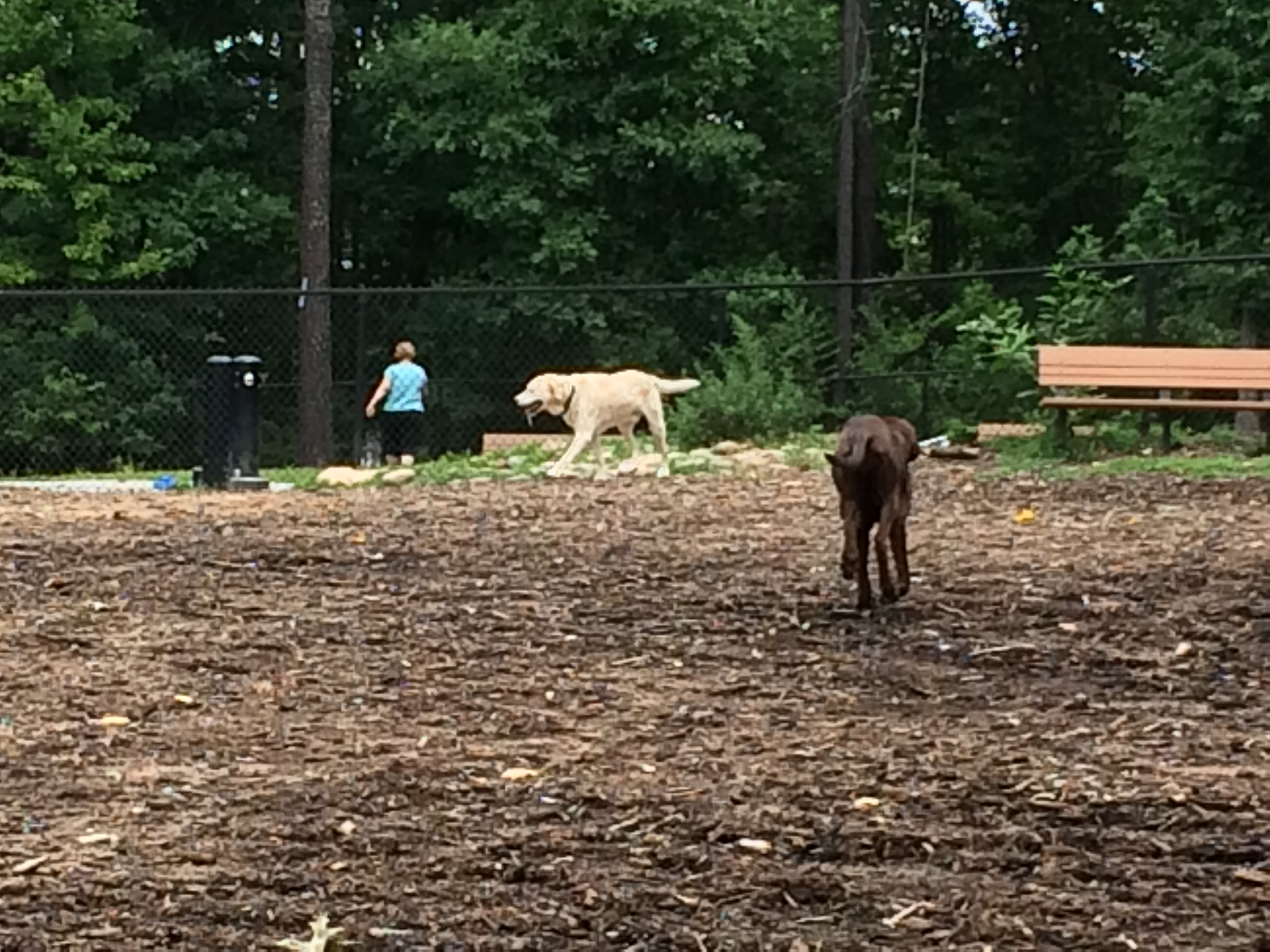
Our second stop was Southern Community Park in Carrboro, NC. While there are fewer forest trails to explore, there is a wide open, enclosed, off-leash dog park where you can throw a frisbee or just relax in the shade as your dog plays with whoever else may have ventured out that day. The great thing about this is that the dog park is separated into two enclosures; one for small dogs and one for dogs of all sizes just in case the little guys want their own space to play.

IMG_2870
Simon running after a frisbee thrown by the dog owner in the background of the picture
IMG_2872
Playing with the Pups


My Horse Philosophy

After riding for 17 years you begin to pick-up certain theories or philosophies about horses and what brings out the greatest potential in a horse. 

I’ve ridden in the western world racing barrels in Colorado, dabbled in the dressage world doing low level tests and local shows, and spend my junior career in the hunter and equitation world traveling to every fancy show I could afford to go to or had the time to work off. It wasn’t until my junior and senior years of high school when I found the aspect of riding that I really loved. Aside from flying over fences, I loved figuring out why horses did what they did and working with them until I could figure it out and calm them down enough to become the pets that show horses inevitably become (whether or not we admit it, they are our oversized dogs who get treats when they’re good and baths with perfumed soaps when they’re dirty). 

Broken down, my philosophy is simple and it’s entirely based on trust. You and your horse must become a team and in order to succeed in any team you must trust your teammate. I was always told riding was an “individual sport” but that was wrong. Riding is most certainly a team sport and requires the highest amount of trust between its members.